People often arrive to therapy with a thick file of what has been hard. Missed deadlines, social misunderstandings, shutdowns, panic in crowded places, burnout. The stories matter, and so do the nervous system realities beneath them. But a strengths-based lens asks a different first question: what is working, where does energy flow, and which conditions let this person thrive without apology. When we treat neurodivergence as difference rather than defect, we open doors that deficit-focused care keeps shut.
I have sat with engineers who can build elegant systems in a weekend but struggle to draft a small-talk email. I have worked with parents whose autistic child can memorize flight schedules yet melts down in fluorescent-lit classrooms. I have supported couples where an ADHD partner’s spontaneity fuels joy and also disrupts routines. In all of these rooms, strengths-based neurodivergent therapy honors what is already robust, then builds supports around friction points with practical specificity.
What strengths-based actually means
The phrase gets used loosely, so let’s name it clearly. A strengths-based approach does not ignore suffering. It respects the nervous system as it is, includes disability when present, and still insists on spotting assets. Strength can be sustained attention on a narrow interest, fast pattern detection, creative pivots, or a high justice sensitivity that refuses to tolerate hypocrisy. It can also be contextual: the same trait that causes conflict at the dinner table may be the trait that catches a safety risk on the factory floor.
In practice, strengths-based care shifts the baseline plan. Instead of trying to make eye contact more “appropriate,” we design communication that works without it. Instead of forcing organization into a neurotypical template, we search for a frictionless flow that the person will actually use. Instead of labeling a child’s stimming as a “behavior to extinguish,” we learn what the stim regulates and how to protect it in public spaces.
From deficit to difference
Deficit framing breeds shame and compliance. Difference framing invites curiosity and consent. The first suggests, “You need to behave like this to be acceptable.” The second asks, “How does your brain like to work, and what environment matches it.” Language changes everything. “You are impulsive” becomes “Your brain jumps quickly. How do we channel that speed safely.” “You are too sensitive” becomes “Your nervous system registers detail. How do we honor that sensitivity and reduce overwhelm.”
Here is a compact comparison that often helps clients and families reorient:
- Deficit lens: Correct the person. Strengths lens: Adapt the context. Deficit lens: Mask differences to fit. Strengths lens: Express differences with support. Deficit lens: Compliance equals success. Strengths lens: Autonomy and access equal success. Deficit lens: Interventions erase traits. Strengths lens: Interventions reduce harm and expand choice. Deficit lens: Struggles reflect weakness of will. Strengths lens: Struggles reflect mismatch of environment, task, and nervous system.
How intake changes when strengths lead
Traditional intake asks for symptoms and timelines. We still collect that data, but we also map conditions under which the person works well. I ask for detailed field notes: two recent days, one that felt tolerable or even good, one that went sideways. What time did you wake, what did you eat, who was around, what sounds or smells were present, what were you doing when calm arrived or panic spiked. We also build a personal “sensory profile” that includes light, sound, texture, movement, temperature, and smell. For some clients, a single cheap lamp with a warm bulb becomes the difference between finishing a project and spiraling.
If the person is seeking trauma therapy, intake includes a careful history of overwhelm and recovery, not just incidents. Many neurodivergent clients have complex trauma related to chronic invalidation, bullying, restraint or seclusion in school, or repeated medical dismissal. These events shape nervous system learning. A strengths-based plan keeps autonomy front and center during any trauma processing.
Masking, burnout, and the energy budget
Masking is a high-cost strategy, and most adults I meet have been doing it for years. Keeping hands still when stimming would help, forcing eye contact, scripting every sentence, ignoring sensory pain to seem cooperative. The bill comes due as burnout: flattened affect, sleep chaos, gastrointestinal flare ups, brain fog, anhedonia, explosive outbursts, or shutdowns that look like depression. I sketch a simple energy budget with clients. Inputs, outputs, leaks. Inputs include rest, deep interest time, stimming, safe people. Outputs include work, caretaking, masking, appointments, errands. Leaks include sensory torture like flickering lights, moral injury like gaslighting at work, and transitions without buffers.
We experiment with deposits before withdrawals. Ten minutes of hand flapping to loud music before a meeting. A weighted lap pad during virtual school. A no-talk commute home. For some, removing a single leak, like fluorescent lighting, changes everything more than three new coping strategies ever could.
Stimming, meltdowns, and shutdowns with respect
Stimming often regulates arousal, attention, and emotion. In strengths-based care, we help clients expand their stim toolbox and negotiate public accommodations. I keep a drawer of stim tools in the office, from textured rings to silicone chew necklaces to handheld massagers. I also normalize full body movement. When someone’s body asks for rocking or pacing, we make space for it instead of offering a worksheet.
Meltdowns and shutdowns are not misbehavior. They are nervous system failsafes. With children, I teach parents to plan a calm path, not a lecture. With adults, we build pre-melt signals and scripts. One client learned to say, “Eyes closed for system reset,” then sit on the floor for two minutes. That phrase cued colleagues to pause conversation without panic. You can do something similar as a couple. Short agreed-upon phrases reduce conflict when words are hard and speeds are mismatched.
Adapting trauma therapy for neurodivergent clients
When we do trauma therapy with autistic or ADHD clients, pacing and sensory control come first. I usually add movement or fidgets during sessions and incorporate briefer processing sets. The client chooses seating, light, and whether we talk with eyes on a shared object like a puzzle. If dissociation or shutdown is frequent, we anchor to concrete orienting statements and micro-dose exposure.

EMDR therapy can work well with neurodivergent clients when we customize the bilateral stimulation. Some prefer tactile buzzers in the shoes to keep hands free for stimming. Others do best with visual light bars on a dim setting. The standard EMDR protocol remains intact, but the wrappers change. Shorter sets, longer rest breaks, and explicit permission to stim while processing help many clients stay within their window of tolerance. I also broaden the targets. Alongside classic trauma memories, we may process smaller wounds that piled up, like a teacher yanking a pencil from a left hand or a supervisor mocking a fidget. Those “small” events often carry big charge because they repeat a lifelong theme: your way is wrong.
One practical sequence that often helps during EMDR therapy:
- Co-create a sensory-safe setup: lighting, seating, stim tools, and a backup plan if overwhelm spikes. Build a robust resource stack: safe place imagery that includes sensory details the client actually craves, not generic beaches. Tighten the dosing: very brief bilateral sets, explicit check-ins, and scheduled movement breaks. Name and normalize neurodivergent processing styles: slow verbal output does not mean nothing is happening. End with grounded closure: orienting to the room, a sip of water, and a written summary of insights for brains that recall better in text.
Clients sometimes worry that EMDR or other trauma methods will erase parts of them they value. Strengths-based care clarifies from the start: we are not removing intensity, we are reducing suffering. Your pattern recognition can stay sharp while your startle response stops hijacking your day.
Couples therapy when neurotypes differ
Couples therapy with a neurodivergent partner, or two, takes skill in translation. The goal is not to turn one partner into the other. The goal is to build a communication infrastructure that respects different processing speeds, sensory needs, and executive functioning. I ask couples to choose a single channel for logistics, often a shared note app, and to keep emotion processing separate from scheduling. I also ask the neurotypical partner, if present, to assume that flat tone does not equal disinterest, and the neurodivergent partner to assume that repeated questions do not equal criticism. These assumptions prevent a surprising amount of pain.
We work with time differently. Some brains do not generate a felt sense of time passing, which fuels the classic “You do not respect me, you are always late” loop. Externalize time. Put a silent visual timer on the table during hard talks. Use calendar blocks with alarms that include the first step, not just the meeting start. If arguments escalate, experiment with asynchronous communication for hot topics. One couple I saw wrote difficult updates during lunch, then read them together after dinner when both had decompressed. Conflict frequency dropped by half in six weeks.
Touch and sensory mismatch also show up. A gentle massage can feel like sandpaper if someone is already overstimulated. We create a simple consent map. Green means go anytime. Yellow means ask first. Red means not now. Keep it on the fridge, not as a rulebook, but as a living agreement that changes by day.
Child therapy without shame
In child therapy, strengths-based care starts with joining the child’s interests. If a six-year-old wants to talk about trains, we ride that track as far as it goes. Phonological awareness grows while naming stations. Turn-taking grows while trading conductor roles. A child who loves dinosaurs may tolerate exposure to a feared vacuum if we frame the sound as a friendly Allosaurus and give them a dino to squeeze. Curiosity fuels learning. Shame shuts it down.
Parents often ask for help with “behavior.” I translate that into skills and environments. If a child flips chairs at school at 2 p.m., I ask about lunch timing, protein intake, noise levels, and visual clutter. We collaborate with teachers on movement breaks, noise dampening, and clear visual schedules. A single “first, next, finished” board can prevent three meltdowns a week. With older children, I add executive function tools they will not throw in a drawer. Color coding only works if the child notices color. Some need texture or shape instead. Everything gets field tested. If a system fails twice, we rebuild, not scold.
Parents themselves need care. Many discover their own neurodivergence while seeking evaluation for a child. Joint sessions sometimes become family redesign sessions. Who does mornings, who handles teacher emails, how do we make weekends less chaotic without making them rigid. The best child therapy often looks like parent coaching, school collaboration, and brief, focused time with the child where play is the teacher.
Executive function, interest, and task design
Executive function is not discipline. It is a set of brain processes that set goals, sustain attention, switch tasks, hold information in working memory, and organize action. Many neurodivergent clients can focus for five hours on an interest and barely five minutes on an arbitrary task. Strengths-based care does not moralize this. It respects interest as a fuel source, then designs tasks to catch that fuel.
We chunk tasks into visible steps and anchor them to triggers that already exist. “After coffee, open the laptop and write three ugly sentences.” Ugly is the point, it lowers the perfection bar. For someone who chronically forgets medication, change the container and location. Put it next to the toaster, not in a cabinet. For someone who cannot begin unless the first click is easy, save all projects on the desktop with clear names. Ten small frictions add up to avoidance. Remove three and momentum appears.
Body doubling helps many ADHD clients. That can be a friend on speakerphone, a therapist during a virtual co-work hour, or a local library table near other quiet workers. The presence of a nonjudgmental other acts as scaffolding for initiation and persistence. It is not a crutch. It is an adaptation.
Collaboration with medical and occupational care
Strengths-based therapy pairs well with occupational therapy, speech therapy, and medical care. An occupational therapist can fine tune sensory diets, test gear like compression vests, and adapt handwriting or keyboard setups. A speech-language pathologist can help with social communication in a way https://shanepxsp310.trexgame.net/emdr-therapy-for-intrusive-thoughts-finding-cognitive-relief that respects authentic expression, not scripts for fakery. Primary care can evaluate sleep apnea, ADHD medication options, or gastrointestinal issues that often ride along. It is not rare to see anxiety drop by a third when sleep normalizes or pain decreases.
Medication decisions sit within the same frame. The question is not “Should a person with ADHD take stimulants,” but “Does this individual find that medication expands agency and reduces harm.” Some do. Some do not tolerate side effects. Some prefer nonstimulants or use stimulants only on certain days. We track data, not dogma.
Telehealth, accessibility, and the room itself
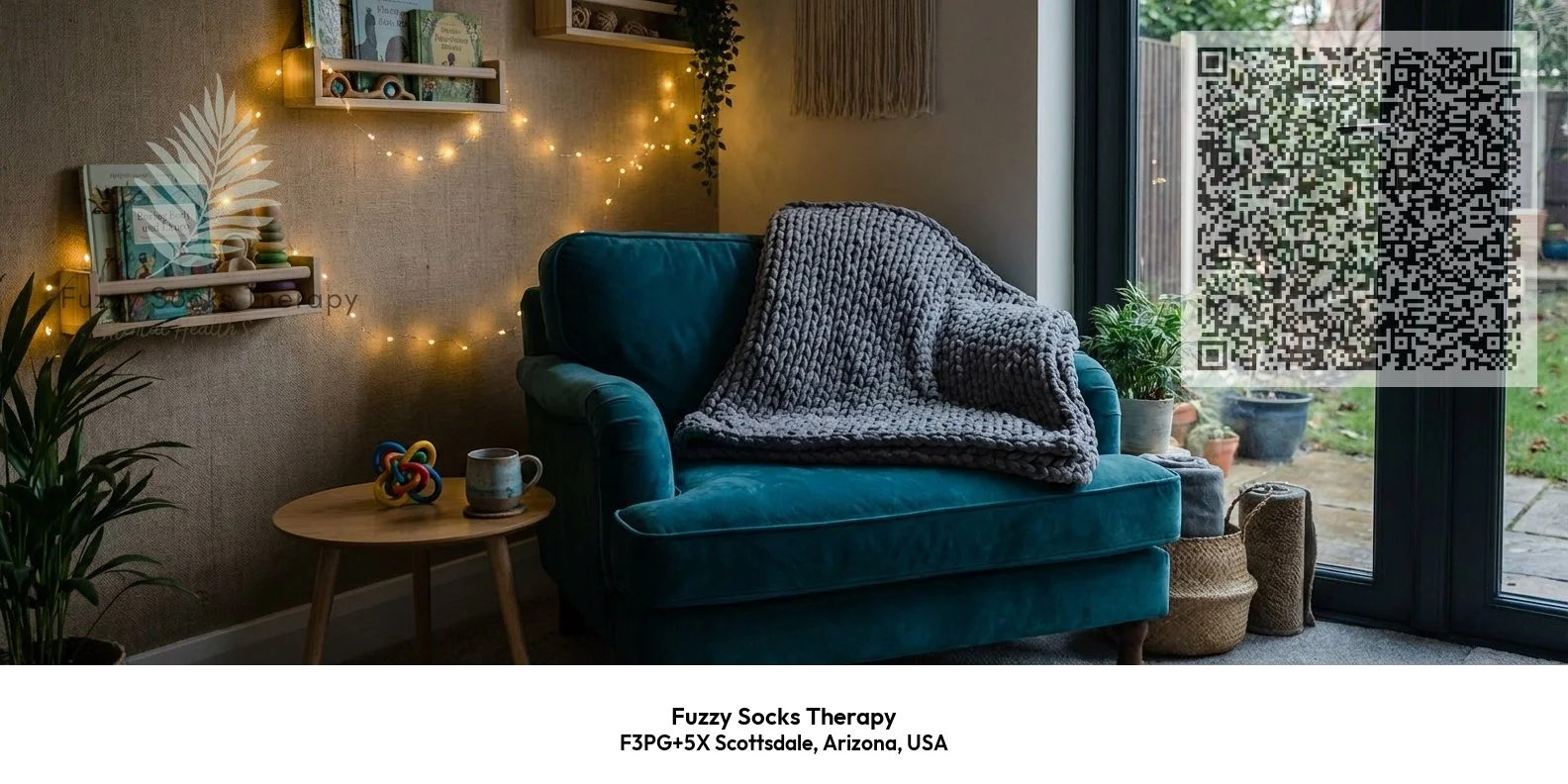
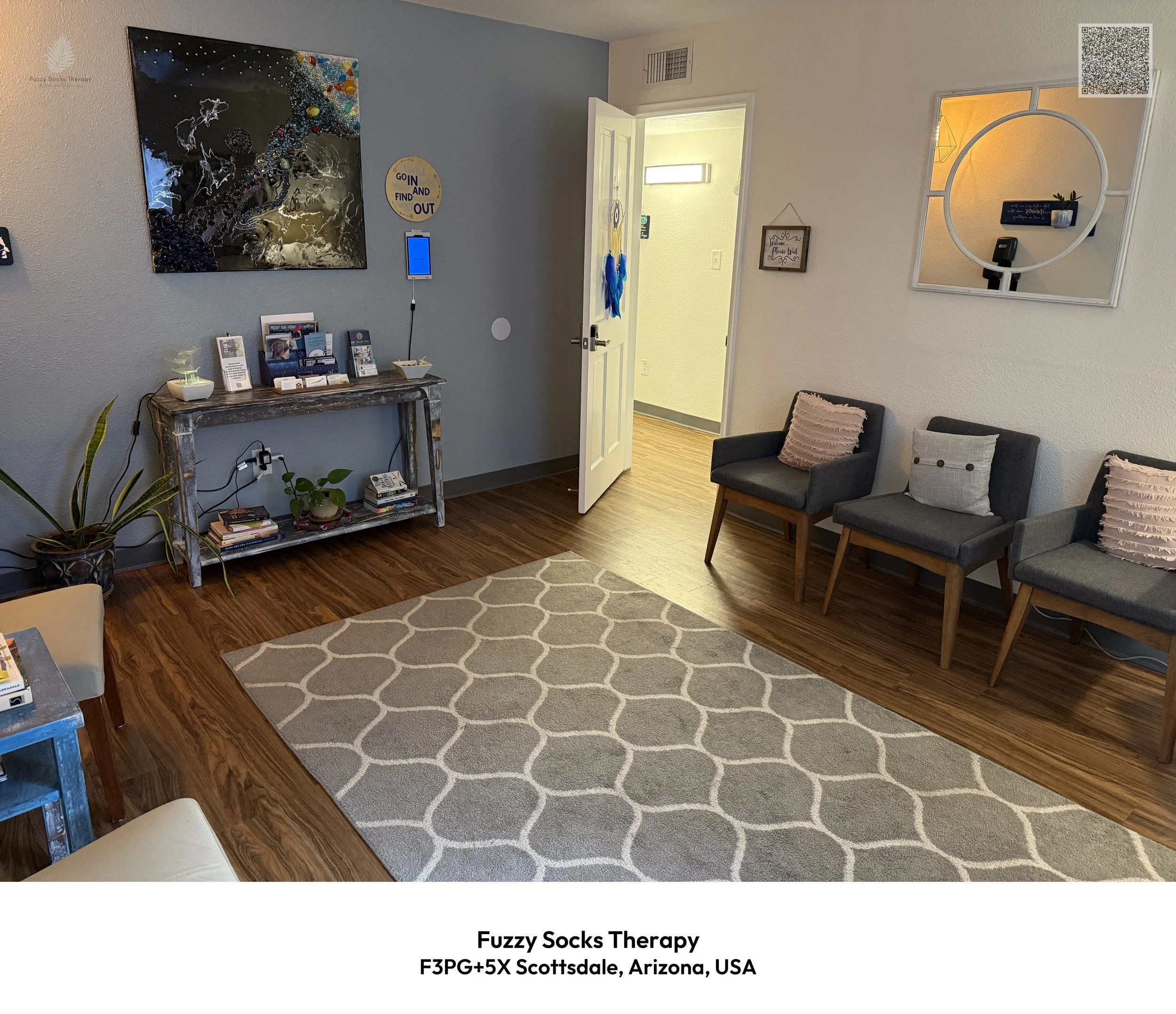
Neurodivergent therapy benefits from flexible formats. Telehealth lets clients control lighting, temperature, and snacks. For some, that control improves disclosure and stamina. For others, sensory or privacy issues at home make in-person safer. Offer options. I keep sunglasses, loop earplugs, weighted lap pads, and snacks available in the office. I also keep a quiet corner for decompression between sessions if a client comes early or needs time after intense work.
For paperwork and psychoeducation, written materials with clean fonts and generous spacing beat dense blocks. Audio supplements help clients who prefer to listen, and transcripts help those who like text. Co-create a shared note after sessions with two or three key points. Brains under stress remember less. Externalize memory.
Measuring progress without erasing difference
Outcome measures should match the goals. For one client, the win is fewer shutdowns at work. For another, it is the freedom to stim in public without fear. For a couple, it is three evenings a week without a fight about time. I ask clients to choose no more than three metrics they truly care about, then we track them weekly. Numbers can be simple. How many mornings felt calm enough to eat breakfast. How often did you use the exit script you wrote. How many days since your last panic attack. Progress is rarely linear. Expect plateaus and regressions, especially during life transitions or seasonal shifts.
Importantly, we do not measure progress by the disappearance of neurodivergent traits. If someone moves from exhaustion to sustainable energy, yet still avoids certain fabrics, we count that as success, not partial compliance. Function and self-respect beat compliance every time.
EMDR and other modalities beside it
EMDR therapy is one powerful tool, but it is not the only one. Sensorimotor psychotherapy pairs well with clients who need body-first work and minimal talk. Acceptance and Commitment Therapy respects divergent thought patterns and centers values, a good fit for clients who chafe at cognitive restructuring. For those who like structure, a modified CBT can still help, especially when it focuses on environmental design and thought patterns tied to moral injury rather than generic negative thoughts. Some clients do best with a braid: brief EMDR blocks for high-charge memories, ACT metaphors for sticky thoughts, and occupational therapy consults for sensory barriers.
The therapist’s stance matters more than the brand. Curiosity, consent, and adaptability beat rigid fidelity to any single model. If a protocol step collides with a sensory need, the need wins.
When risk is high
A strengths orientation does not skip risk assessment. Neurodivergent individuals face higher rates of suicidality, self harm, and victimization. We ask the direct questions, and we build safety plans that match how the client’s brain will actually work during crisis. A three-page plan written in small font will not be used. A one-page plan with symbols, color blocks, or a simple flow line might be. If the client goes mute under stress, we include a card that says “I am in danger, please call this number” with their consent in advance. If the client dissociates, we add grounding items to a grab bag stored near the exit.
We also watch for co-occurring conditions like eating disorders, OCD, and sleep disorders that can mask as “quirks” but require focused care. Collaboration keeps people safer.
What families and teams can do right now
You do not need a formal diagnosis to start using a strengths-based approach. Ask the people in your life what works and what costs them. Act on the answers. Dim the lights. Offer written choices. Give transition time. Assume intensity comes with sensitivity and honor both. In schools, let a child stand to learn. In offices, judge output, not attendance at social functions. At home, replace “try harder” with “what would make this easier.” Small shifts compound.
For couples and families, ritual helps. A five-minute nightly check in with the same three questions can stabilize a week: What went okay today, what was hard, what do you need tomorrow. Keep it brief and repeatable. If emotions run high, shorten it to a simple hand squeeze and a shared calendar update. Repair matters more than perfection.
Myths that drain energy
I wish I did not still hear these, but I do. That therapy should normalize behavior to match social expectations. That stimming feeds anxiety. That accommodations create weakness. That if a child can play video games for hours they can do homework for hours. None of these hold up under scrutiny. People do better when they can be themselves, when their nervous systems are not burning fuel on masking, and when tasks are designed to align with how their brains allocate attention and reward. Games often supply clear goals, immediate feedback, and interest. Homework seldom does. The gap is not willpower, it is design.
A therapist’s toolkit, distilled
Therapists often ask what to add to their rooms or routines. You probably need less than you think, and you need to use it with specificity. A few items go far: a dimmable lamp, a variety of seating options, stim tools, a visual timer, and shared note taking that the client can access between sessions. You also need strong agreements around consent. Ask before moving closer. Offer choices about exercises. Pair every exposure with a recovery plan.
Include training in trauma therapy that respects neurodivergent processing, and, if you use EMDR therapy, practice flexible dosing. Learn to tolerate silence. Learn to tolerate movement. Learn to translate between plain language and metaphor, since some clients do not find metaphor helpful while others think in nothing but metaphor. Humility will take you further than jargon.
Where this work leads
Strengths-based neurodivergent therapy is not about gentle branding. It is about power, access, and health. When a person is allowed to stim at their desk, they may not need to quit a job that otherwise suits them. When a child can tap their foot in class without reprimand, they may learn to love reading instead of fearing the classroom. When a couple learns to communicate across different speeds and senses, they turn fights into shared design challenges. When trauma therapy respects sensory needs and autonomy, clients recover without feeling erased.
I think often of a client in her thirties who came to me after a year of white-knuckled “skills training” that left her exhausted and ashamed. We changed two things. She switched to working from home on Tuesdays with a rule that no meetings happen before lunch, and we gave her ten minutes of unstructured stimming before any high-stakes call. She stayed at her job, stopped crying in the shower, and started cooking again on weekends. The therapy still included structure. We ran a short course of EMDR therapy to reduce the charge on a humiliating school memory that kept hijacking her voice on calls. We practiced a three-sentence update script she could deploy when flooded. But the biggest wins came from honoring what her body had been asking for all along.
Care that starts from strength does not ignore pain. It refuses to make pain the whole story. And, in that refusal, people finally get to grow into lives that fit.
Address: 3295 N. Drinkwater Blvd., Suite 10, Scottsdale, AZ 85251
Phone: (720) 378-8454
Website: https://www.fuzzysockstherapy.com/
Email: [email protected]
Hours:
Monday: 9:00 AM - 5:00 PM
Tuesday: 9:00 AM - 5:00 PM
Wednesday: 9:00 AM - 5:00 PM
Thursday: 9:00 AM - 5:00 PM
Friday: 9:00 AM - 5:00 PM
Saturday: Closed
Sunday: Closed
Open-location code (plus code): F3PG+5X Scottsdale, Arizona, USA
Map/listing URL: https://maps.app.goo.gl/cqhwvXU4UMg6QL1YA
Embed iframe:
The practice offers in-person therapy in Scottsdale along with online sessions for clients in Arizona, Colorado, and Florida.
Clients can explore services such as trauma therapy, EMDR therapy, Deep Brain Reorienting Therapy, neurodivergent therapy, child therapy, couples therapy, discernment counseling, and parenting intensives.
Fuzzy Socks Therapy is especially relevant for people navigating trauma, dysfunctional family dynamics, ADHD, autism, relationship conflict, and emotional overwhelm.
The website presents a direct, practical therapy style focused on real tools and meaningful change rather than vague advice.
Scottsdale clients looking for trauma-informed psychotherapy can find support that combines deeper healing work with concrete skill building.
The practice also offers help for adult children of dysfunctional families, couples on the brink, and neurodivergent kids, teens, and adults.
To get started, call (720) 378-8454 or visit https://www.fuzzysockstherapy.com/ to book a free consultation.
A public Google Maps listing is also available for Scottsdale location reference alongside the official website.
Popular Questions About Fuzzy Socks Therapy
What does Fuzzy Socks Therapy help with?
Fuzzy Socks Therapy helps with trauma, dysfunctional family patterns, neurodivergence, relationship conflict, emotional overwhelm, and related challenges for individuals, couples, and families.
Is Fuzzy Socks Therapy located in Scottsdale, AZ?
Yes. The official website lists the office at 3295 N. Drinkwater Blvd., Suite 10, Scottsdale, AZ 85251.
Does Fuzzy Socks Therapy offer in-person and online sessions?
Yes. The official site says the practice offers in-person therapy in Scottsdale and online therapy in Arizona, Colorado, and Florida.
What therapy approaches are listed on the website?
The website highlights EMDR therapy, Deep Brain Reorienting Therapy, discernment counseling, play therapy, Dialectical Behavior Therapy, Emotionally Focused Therapy, and practical trauma-informed skill building.
Who provides therapy at Fuzzy Socks Therapy?
The official website identifies the therapist as Lianna Purjes.
Does the practice offer couples counseling?
Yes. The website includes couples therapy, couples intensives, and discernment counseling for couples deciding whether to stay together or separate.
Does the practice work with children and adolescents?
Yes. The site says the practice offers child therapy and support for children, adolescents, and their families.
How can I contact Fuzzy Socks Therapy?
Phone: (720) 378-8454
Email: [email protected]
Website: https://www.fuzzysockstherapy.com/
Landmarks Near Scottsdale, AZ
Drinkwater Boulevard is the clearest local reference point for this office and helps nearby clients place the practice in Scottsdale. Visit https://www.fuzzysockstherapy.com/ for service details.
Old Town Scottsdale is a familiar city landmark and a practical reference for people searching for therapy near central Scottsdale. Call (720) 378-8454 to learn more.
Scottsdale Civic Center is another recognizable local landmark that helps define the surrounding area for nearby professional services. The official website has current contact details.
Scottsdale Stadium is a well-known destination in the city and a useful point of reference for local users. Fuzzy Socks Therapy offers both in-person and online sessions.
Indian School Road is a major corridor that helps many residents orient themselves in Scottsdale. More information is available at https://www.fuzzysockstherapy.com/.
Fashion Square and the surrounding central Scottsdale area are widely recognized by local residents and visitors alike. Reach out through the website to book a free consultation.
Downtown Scottsdale is a strong local search reference for people seeking counseling and psychotherapy services in the area. The practice serves Scottsdale in person and multiple states online.
Scottsdale Road is another major route that helps define the broader service area for clients traveling from nearby neighborhoods. The practice supports individuals, couples, and families.
The Scottsdale arts and civic district is a useful area reference for those familiar with the city center. Visit the site to review specialties and next steps.
Central Scottsdale commuter corridors make this practice relevant for nearby residents who want in-person therapy, while online sessions add flexibility for clients in Arizona, Colorado, and Florida.